How to Skip the ATS and Pitch Hiring Managers Directly in 2026: The HireMail Guide for Engineers and Leaders

Top Picks
Submit PR
Stay Ahead of the Market
Get the latest startup funding, hiring trends and global opportunities delivered to your inbox every week.
Key takeaways
Portals are a long shot. Big roles get piles of resumes. Glassdoor says the mean is 250. Just four to six get a call. WorkNation says top talent lands a chat under 2% of the time. That is its own number. It is not an outside study.
You may hear this. 75% of resumes die in an ATS. We found no solid study behind that. Greenhouse says real people review most apps. But big piles do get cut down. And some roles say no by rule.
WorkNation says managers reply up to 5.4x more. That is when they get a 45-second audio or video note. The claim is from HireMail. We could not check it.
HireMail sends from your own Gmail. It asks for send-only access. The site says that gives 99%+ inbox delivery. That is its claim. No tool can promise it.
HireMail has four steps in one place. It finds live jobs. It finds who to pitch. It helps you make a clip or a voice note. Then it gives you a link. Share it on LinkedIn.
Try it for $1 on a 60-Day Campaign Pass. There is no monthly bill. Paid plans let you send 5 to 20 pitches a day. You can track each one.
Want to skip the ATS in 2026? Don't just upload a PDF. Send a short audio or video pitch. Send it to the hiring manager. Or send it to the founder. A portal makes you one flat file. That file sits in a big pile. A pitch is not like that. A real human hears your voice. They see your proof in under a minute.
This guide shows why portals let down top leaders. It shows how HireMail works. There are four steps. They go from live jobs to inbox tracking. You also get a script. It helps you pitch hiring managers directly. WorkNation says some users get a chat in a day or two. That is its own claim.
Who is this for? It is for engineers, product leads and ops pros. It is for those who sent lots of forms. And heard back from few.
Here is the plan in brief. Find a job you want. Find the boss. Say why you fit in one short note. Then send it. Your first one may take an hour. The next ones go fast.
How to bypass the ATS and reach decision-makers, step by step
Scrape: pull fresh jobs from live Greenhouse, Lever, Ashby and Workable feeds. Each job shows once. You see them first.
Verify: fill the form in one click. Then run an Outreach Eligibility check. It looks for the boss's real mail.
Pitch: make a clip or voice memo, 30 to 60 seconds long. Let the AI write a hook from your resume. Then send it from your own Gmail.
Amplify: paste your pitch link in a LinkedIn note. Then watch opens, clicks and plays. Do it in your Mails Tracker.
Do not skip the form. Fill it in too. The form keeps you in the race. The pitch gets you a face. You want both. Do the form first. Then send the pitch the same day. That way the boss can match your name to your form.
Here is a simple week. On Monday, pick five jobs you want. On Tuesday, find the boss for each one. On Wednesday, write your notes. On Thursday, make your clips. On Friday, send them all. Then rest. Next week, do it again. Soon you have a habit. And a habit beats a burst of hope.
Here is a sample note. "Hi Dana, I read your post for the data role. I built a tool. It cut report time in half. Here is a short clip. May I send my resume too? Thanks, Sam." It is short. It is plain. It names one proof.
Why the traditional ATS portal is broken for experienced talent
Say you go for a top tech job. Pay can top $130,000. The BLS says developers made a median of $135,980. That was in May 2025. Computer and IT managers made $175,140. You send your form. It joins a big line. That line is built to sort. It is not built to spot a leader. Glassdoor says one job gets 250 resumes. Greenhouse says hot roles can get thousands.
Three things hurt strong people in a portal:
Automated parsing heuristics reject up to 75% of resumes: that is a myth. We found no solid study behind the 75%. Here is what is true. Some roles say no by rule. Big piles get cut by keyword. A Harvard study found a trend. Many firms screen out good talent. An odd layout can sink you.
Zero executive presence on a flat PDF: two pages can't show how you think. They can't show how you lead. They can't show how you fix a live problem.
Identical AI-generated resume noise: many now use AI to tweak their bullets. So recruiters see the same resume time and again. You get weeks of silence. Then you get an auto-reply. Think of what a portal sees. It sees words, not you. It can't hear you think. It can't see you solve a hard thing.
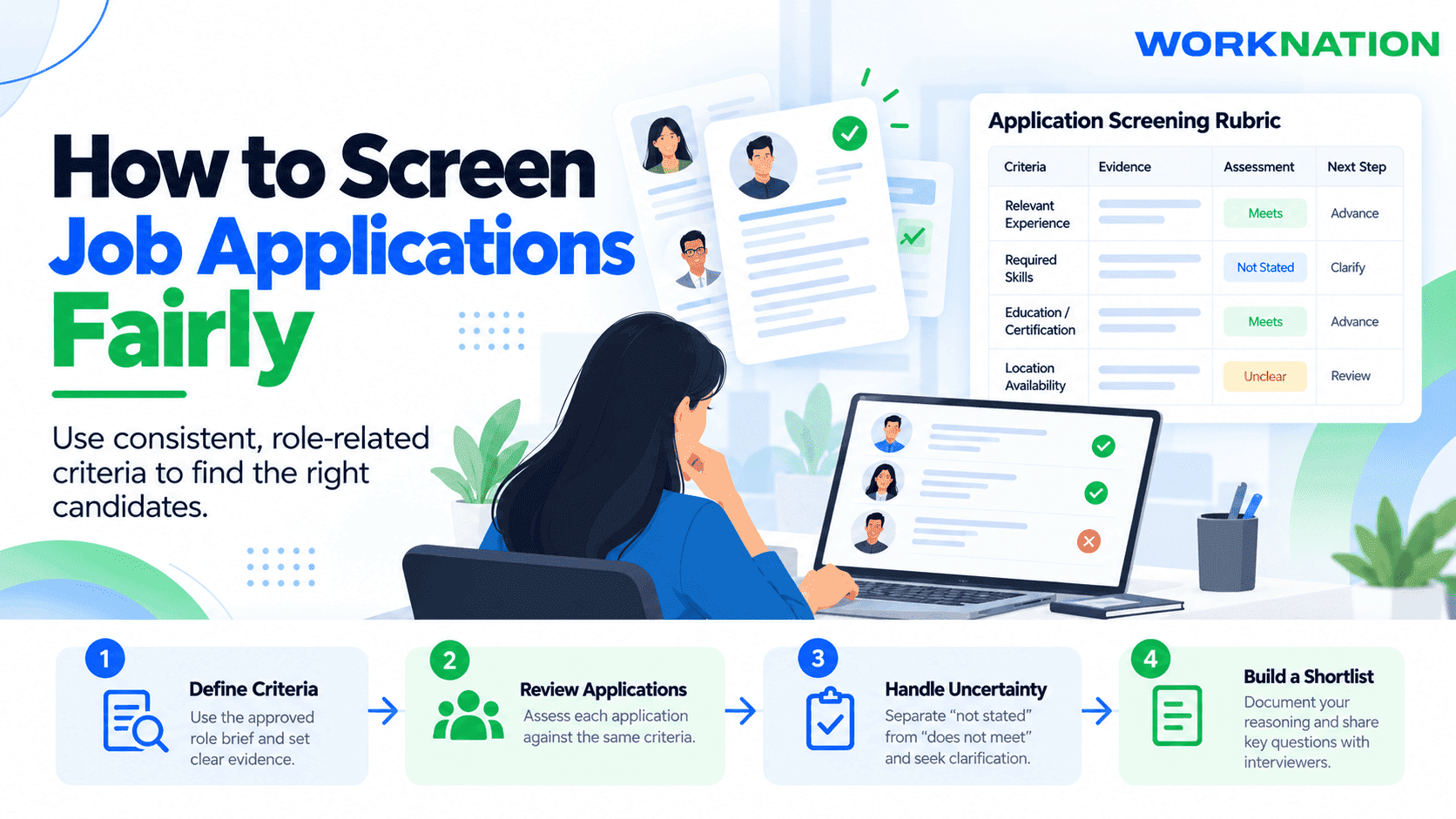
Don't try to game the filter. Add a human step instead. Keep your resume clean. Test it in WorkNation's Resume Checker. Use the words from the job post. Then go one step more. Reach the one who makes the call.
Picture the boss at 8 am. The inbox has a stack of portal forms. And one voice note from a named person. Which one do you think gets opened first?
How the direct-to-human pipeline changes your reply rate
Top roles are not won on keywords. They are won on clear thought and bold moves. Picture a founder. Or a VP of Talent. They get a note from a real Gmail. It has a 45-second voice note. It speaks to their big need. They won't pass that to a junior screener. They are more apt to reply.
WorkNation lists four numbers for top users. These users aim for $185,000 to $350,000+ roles. The numbers come from its own site. We could not check them. Treat them as claims.
5.4x higher reply rate than a plain cold ATS application.
Under 18 hours average response velocity from leaders and managers.
87% to 89% listen and watch completion rate on 30 to 60 second notes.
2.8x response lift when you add a LinkedIn follow-up with a video link.
Why might this work? A voice is warm. A note that names the need shows you did the work. One clear ask is easy to say yes to. That is just sense. It is not a promise.
Inside HireMail by WorkNation: The 4-step direct outreach workflow
A direct drive often needs five tools. You scrape job boards by hand. You pay for lists of names. You make clips in Loom. You write cold mail from scratch. Then you guess if one read it. HireMail puts it all in one place.
Step 1: Real-time ATS job discovery and on-demand AI scraping
Other sites can repost old jobs days late. The tool lets you filter jobs. Pick a tech hub. Pick a pay band. Pick a funding stage, from Seed to Series D. Or start an AI Scraping Agent. It pulls fresh roles from live Greenhouse, Lever, Ashby and Workable feeds. That takes seconds. It says it strips all dupes. It also writes an AI Role Synthesis. That sums up the tech stack. It lists the needs to hit in your pitch.
Tip: set a small goal, like five new jobs a day. Try software engineer jobs. Or try engineering manager jobs. Skip the ones that do not fit.
Step 2: 1-click ATS application filler and Outreach Eligibility check
You don't have to pick one route. You can fill the form and still pitch the boss. Use the 1-click Application Filler. It fills the form fast. Then run an Outreach Eligibility scan. It maps the firm's org chart. It finds up to three people who can hire. That could be a Lead Technical Recruiter. It could be a VP of Engineering. It could be a co-founder. It also checks that their work inboxes are live. You know this first. You spend no time on a dead end. Aim for the one who owns the work. A team lead may care more than HR does. Can't find one? Aim for the head of the team.
Check the name first. Is the person still at the firm? Look at their LinkedIn page. Make sure the title fits.
Step 3: Multi-modal video/voice pitch studio and authenticated Gmail dispatch
The Compose Studio lets you make a sharp 1080p clip. It runs 30 to 60 seconds. It comes with a GIF teaser badge. You can also make a voice memo. Or you can add an HTML proof-of-work card. It can show live demos or system maps. The AI Hook Writer reads your Digital Resume. It reads the job duties. Then it writes a short four-line email. You hit send. The mail goes out from your own Gmail. It uses Google's send-only OAuth scope. The site says this keeps SPF and DKIM checks in place. It says that gives 99%+ inbox delivery. That is its own figure.
Film it on your phone. Prop it on a stack of books. Face a window for light. Say it twice and keep the better take. A clear voice beats a fancy set.
Step 4: Multi-touch LinkedIn amplification and live inbox telemetry
Each pitch makes a public page. Put that link in a short LinkedIn note. Send it to the manager. Mention your email in it. Your Mails Tracker shows when a recruiter opens your email. You also see clicks on your Digital Resume. And you see plays of your clip.
Wait a few days before you follow up. One nudge is fine. Two is the most. Then move on to the next job.
What to say in a 45-second audio or video pitch (with script)
A hiring manager does not want your life story. They want to hear that you get the problem. They want to know you can fix it.
Use this plan. It keeps your note between 40 and 55 seconds:
Seconds 0–10 (The Context Hook): say their name. Name the role. Cite a need from their job post. Or cite funding news. Try this. "Hi Sarah, I saw Stripe is growing its checkout team. You want p99 latency under 25ms."
Seconds 10–35 (The Proof of Work): share one thing you built. Or share one result you drove. It should prove you have done this before. Try this. "In my last role as Staff Backend Engineer, I led a Go and Rust rebuild. It ran on 14 global nodes. It cut checkout tail latency from 115ms to 19ms. That was at 600K requests per second."
Seconds 35–50 (The Thesis & Next Step): point to your proof card or Digital Resume link. Then ask for a short chat. Try this. "I put a one-page plan for your Q4 roadmap in this email. My Digital Resume is there too. Can we talk for 15 minutes this week?"
A few tips help. Read the job post twice. Find the one problem it names most. Say that problem back in your own words. That is your hook. Don't say sorry for writing. Don't say you know they are busy. Just start. Say your name up front. Say it slow. End with your name and how to reach you. Write your script first. Read it out loud twice. Then say it like you would to a friend. Smile when you talk. It shows in your voice. Use a quiet room. Hold the phone at eye level. Cut any line that does not help. And do not read from the page. A few small slips are fine. They sound real.
Keep it kind. Skip the brag. Skip the big words. Say what you did in plain terms. Use one clear number if you have it. End with one small ask. Ask for fifteen minutes. Do not ask for a job in the first note. Then say thanks.
Case study examples: How senior operators use multi-modal pitches
These are sample stories from the HireMail page. They are WorkNation's own. We did not check them with the people named. They show how a pitch can fit the role.
Staff Distributed Systems Engineer ($285K package): this one sent 40+ cold forms. None got a reply. Then came a 45-second audio note on checkout speed. It went to the Head of Infrastructure. The story says an invite came in under 3 hours.
VP of Product Management ($320K package): this one made a 60-second clip on product growth. It went to a FinTech co-founder and CEO. The story says it skipped outside screeners.
Principal Product Designer ($240K package): this one added an HTML card with live Figma parts. The story says a founder replied. The founder called it the bar for top design outreach.
Notice what these have in common. Each one is short. Each one names a real need. And each one shows work, not just talk. You can copy that plan for your own field.
Your story will differ. That is fine. Your goal is not to match these. Your goal is a clear, true note. A busy person should read it in a flash.
How the $1 trial and 60-Day Campaign Pass coin economy work
Many career tools lock you into a monthly bill. Folks forget to cancel. HireMail uses a one-time 60-Day Campaign Pass. It has no auto-renewal. WorkNation's view is simple. A focused search should land chats in two months.
Each action uses coins. So you spend credits only on real leads. The site lists these rates:
1 coin per new ATS job that is scraped. Dupes cost 0 coins.
2 coins to show a verified work mail for a hiring manager.
3 coins per tracked email sent from your Gmail.
0 coins (free) for your public clip or audio link and your LinkedIn link.
You can test the whole flow now. Use the $1 Try Me Pass. It gives you 75 bonus coins. It has live job search. You also get AI help. You get 1 verified recruiter look-up. And you get 1 Gmail outreach email. Then you can move up. Career costs $25. You get 400 coins and 5 emails a day. It has audio pitches. Ambition costs $50. You get 1,500 coins and 10 emails a day. It adds clip pitches and alerts for new funded startups. Executive costs $100. You get 5,000 coins and 20 emails a day. It adds direct C-suite look-up.
Count the coins first. At these rates, one full run costs 6 coins. That is 1 for the job. It is 2 for the boss's email. It is 3 for the send. So aim at jobs that truly fit you.
Your pass runs 60 days. Spend week one on jobs and names. Spend the next weeks on pitches. Save the last ones for follow-ups. Keep a list of who you wrote to. Add the date and the reply.
Here is the one thing to change. Stop letting a keyword filter pick your next job. Pair your next form with a 45-second pitch. Send it to the one who owns the call.
Start small. Pick one job today. Find the boss. Send one note. See what comes back. Then do it again.
Ready to skip the long queue? Launch HireMail by WorkNation. Try your first direct pitch to a recruiter for $1 today.
FAQ
Why does HireMail send emails through my personal Gmail instead of a marketing server?
Mail from shared marketing servers often gets blocked. Firewalls and spam filters watch for it. The tool sends through your own Gmail instead. It uses Google's send-only OAuth scope. Google says mail with proper SPF and DKIM checks is less apt to hit spam. The site says this gives 99%+ inbox placement. That is its own claim. No one can promise it for each inbox. A good note to a real person helps most. Short and true works best. A text note is fine when you are short on time. Add a clip for a job you want a lot.
Is my personal Gmail account safe when connecting to HireMail?
The tool asks for Google's send-only Gmail scope. Google lists it as a sensitive scope. It does not give access to read your inbox. The app can send the emails you OK. You do that in the Compose Studio. It can't read, change or delete your mail. You can cut off access in your Google Account at any time. Look at the apps that have access. Remove any you don't use. That is a good habit for all apps.
Do I have to record a video or voice pitch for every job application?
No. The site says video and voice notes win the best replies. It names founders and VPs. But you can send a plain text email. The AI can help. You can add an HTML proof card. Or you can add your Digital Resume link. Pick what fits the role. A short note can still work. Plain and kind is a good place to start. You can add a clip later on.
Sources
Have a Funding Round or Exciting Update to Share?
Submit your press release to get featured on WorkNation and reach founders, investors, and tech leaders.