Zookeeper, Fish and Wildlife Jobs in the USA: 2026 Salaries, State Hotspots and How to Get Hired
Top Picks
Submit PR
Stay Ahead of the Market
Get the latest startup funding, hiring trends and global opportunities delivered to your inbox every week.
Key takeaways
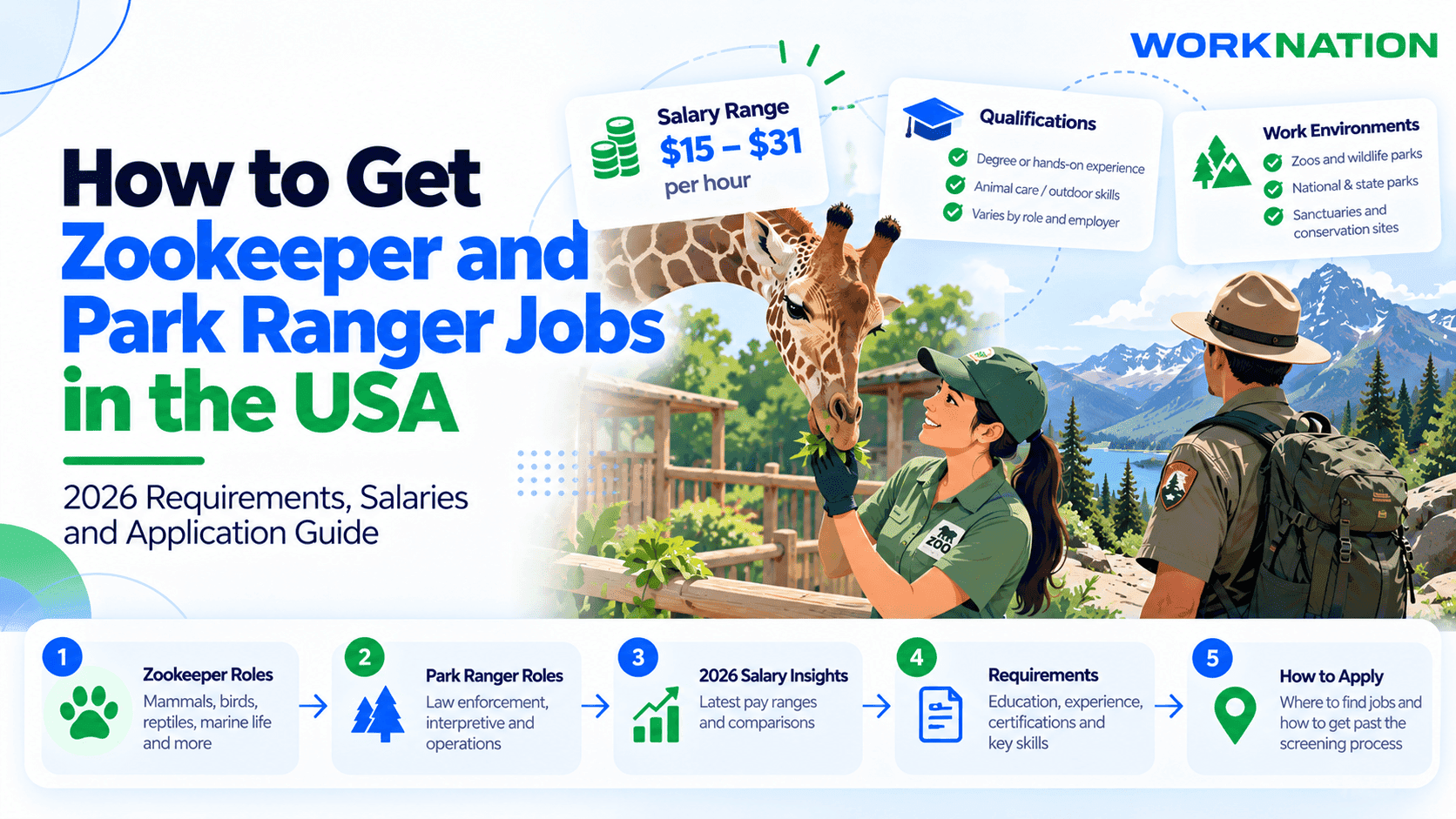
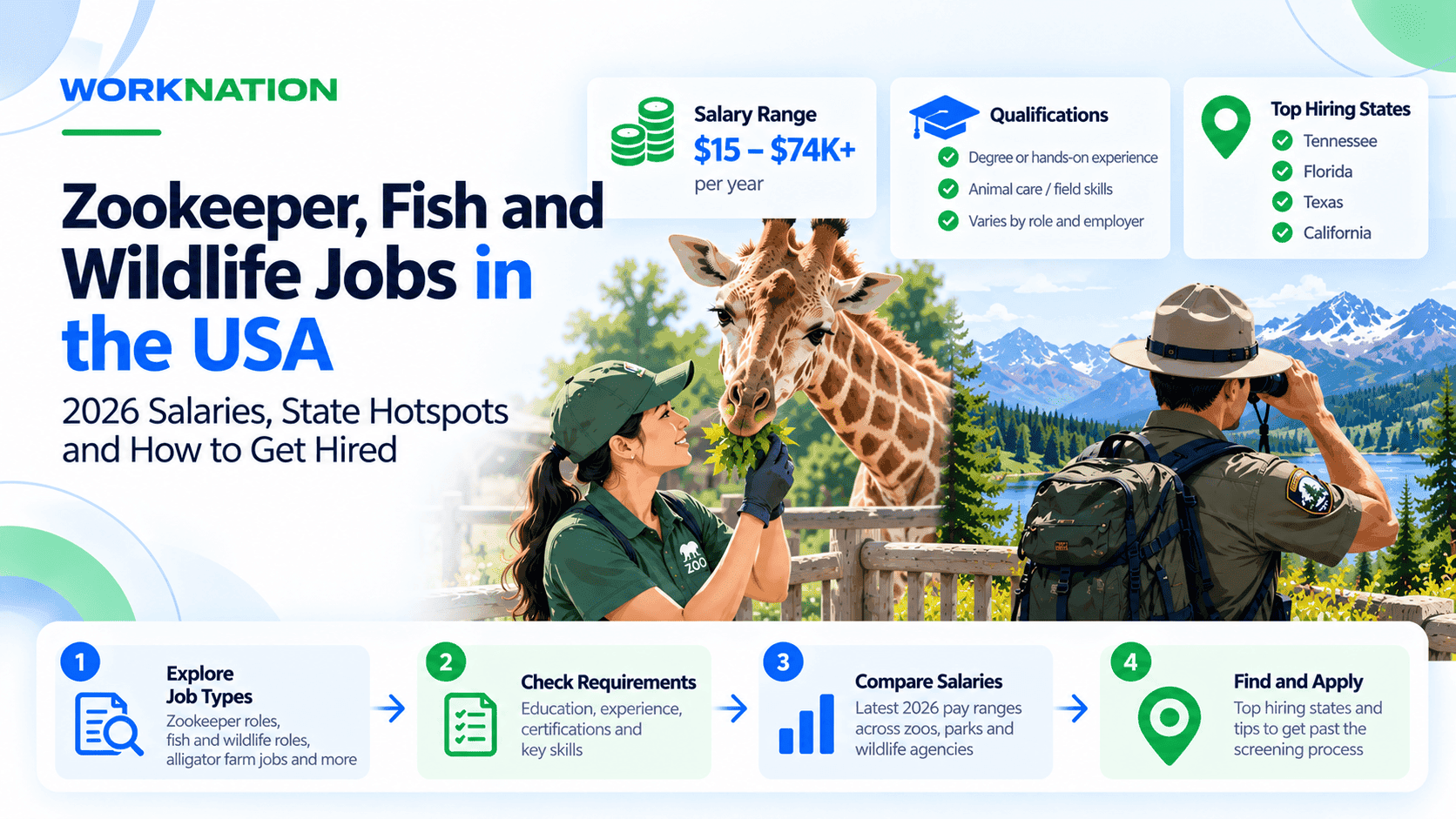
Pay first. Zookeeper jobs, fish and wildlife jobs and gator farm jobs in the US pay all over the map. Here's the range. It's wide. New keepers start at about $15 to $20.50 an hour. Now the top end. Game wardens make a median of $74,060 a year. For wildlife biologists, it's $76,780. Both of those come from the BLS.
No four-year degree? You still have a shot. Lots of city zoos take hands-on work in its place. Gator farms do too. One to two years is often enough. It just has to be work you can prove. A job at a kennel counts. So does farm work. So does a full season at a park.
The U.S. Fish and Wildlife Service (USFWS) grades each CV on a strict list. State teams do too. They want your hours each week. They want to know what you've worked with. They want the gear. Skip those and a bot may toss your file.
So where should you look this year? Try Tennessee. Try Florida and the Gulf Coast. Try Texas and California, too. The last three rank near the top. That's per the BLS.
Before you apply, test your CV in WorkNation's free Resume Checker. Next, make a Digital Resume link. Last, pitch the curator with HireMail. That's how a form turns into a call.
Want zookeeper jobs or fish and wildlife jobs in the USA in 2026? Here's the short of it. You need real hours of hands-on care, or out in the field. And you need a CV that shows those hours. It has to show them the way each screen likes. It's the same deal for a primate keeper job in Tennessee. Or a gator handler spot in Florida. Or a tech post with the U.S. Fish and Wildlife Service. "I love animals" won't get you far. The folks who hire want proof. Can you do the work on day one? That's what they want to know.
Who is this for? Anyone who wants to work with wild or zoo stock. And get paid for it. New grads, yes. People who want a switch, too. And keepers who want a step up.
So what's in here? First, the pay. That's for zoos, gator farms and state teams this year. Then what the bosses check for. Then which states are hiring. Last, how to fix your CV. And how to reach the ones who hire, right on WorkNation. Let's go.
How to land zookeeper and fish and wildlife jobs, step by step
Here's the plan in four steps. Do them in this order. Each one builds on the last.
Target: pick one main path. Path one is hands-on care. Think zookeeper jobs, fish tanks, sanctuaries and alligator farm jobs. Path two is field work. That means state and U.S. fish and wildlife jobs.
Quantify: write down each shift. Each survey. Each group of stock. Each safety rule you used. And your hours per week. A screen can't give you credit for what it can't see.
Audit: run your CV through WorkNation's free Resume Checker. It points out the job words you left out. Fix them first. Then send it in. That might be on a zoo site. It might be a state or U.S. job site.
Pitch: apply on WorkNation Jobs. Then write a short note. Add your Digital Resume link. Send it straight to the curator or field lead with HireMail.
One more tip. Be quick. Lots of these jobs don't stay open long. Take USAJOBS. Most U.S. posts we saw there were open for two weeks. So keep your CV ready to go. Check for new posts each week. The right one shows up? Send it that same day.
Core career tracks: Zookeeper jobs vs. fish and wildlife jobs vs. alligator farms
You'll find these jobs on WorkNation Jobs. They come in three main kinds. Here's how they split.
Accredited & Municipal Zookeeper Jobs (AZA, ZAA, and City Zoos): hands-on care. You do it every day. You weigh and mix the food. You scrub the pens. You set out toys and games to keep minds busy. You train with treats. That way they'll touch a stick or walk into a crate. Then you log it all in ZIMS, the zoo's own log. Teams split by kind. Hoofstock. Primates. Big cats. Birds. Fish. Some keepers swing from team to team. What do top zoos look for? The AZA careers page lays it out.
Fish and Wildlife Jobs (USFWS, State Wildlife Agencies, and Consultancies): out in the wild. That's where this work is. You count wild herds and flocks. You fix up land and streams. You help run fish hatcheries. You pull weeds and pests that don't belong there. Some staff patrol and keep the game laws. Most start as a tech or an aide. Down the road, they move up. Wildlife biologist is one goal. Game warden is the other. You can browse fish and wildlife openings on WorkNation.
Alligator Farm Jobs & Specialty Reptile Parks: here, safety comes first. Last, too. You care for gators, crocs and snakes with real bites. You test the water. You keep the pens warm. You give short talks to guests. And you learn how to hold a big one still. Safely. Gator farms hire all year long. Think Florida, Louisiana and the rest of the Gulf Coast. So this is a real, paid way in. It fits calm, sharp people. No science degree? No problem.
Not sure which path fits? Ask what kind of day you want. Do you like the same crew and the same stock each day? Zoo work may suit you. Do you want to be out on the land? In all kinds of weather? Go for field work. Do you like a bit of thrill? And talks with a crowd? Look at gator farms. You can switch later. Lots of people do.
What do zookeeper, alligator farm, and fish and wildlife jobs pay in 2026?
Pay hangs on who runs the place. A private park pays one way. A zoo run as a charity pays another. Then there are city zoos with unions. And there are state and U.S. teams. We pulled these ranges from three spots. That's BLS wage data, USAJOBS and live job posts. All were checked in late October 2026.
Entry-Level Zookeeper I & Swing Animal Caretaker: most pay $15.00 to $20.50 an hour. That's $31,200 to $42,640 a year. The BLS median for all animal caretakers is $17.00 an hour. That's $35,360 a year. Live posts on WorkNation land right in that range. The City of Waco has a keeper job at $19 an hour. The St. Augustine Alligator Farm has one at $18. Take Tennessee. Its Zookeeper I, primate and hoofstock posts list $15 to $20 an hour. Zookeeper II swing jobs there pay $35,360 to $40,560 a year.
Alligator Farm Jobs & Reptile Handlers: these are pay site guesses. Front-line care and handling staff get $14.42 to $20.65 an hour, they say. Their US mean is $18.55 an hour. That's about $38,580 a year. Moving up pays more. Take reptile parks. The staff who run the talks earn more. It's about $43,800 to $60,840 a year, or more. Mid-level leads earn about the same.
Mid-Level & Senior Municipal Zookeepers: $21 to $31 an hour, or more. That's $43,680 to $64,500 a year, or more. City zoos with unions on the West Coast pay best. Those are in states like California, Oregon and Washington. Some top $68,000, plus a city pension. Here's one live now. A San Diego Zoo job on WorkNation pays $31 an hour.
Exotic Veterinary Technicians & LSS Techs: $19 to $29 an hour. That's $39,500 to $60,300 a year. Take Nashville. Its zoo vet tech and relief jobs post $23.63 to $29 an hour.
U.S. Fish and Wildlife Service (USFWS) & State Biological Technicians: it goes by GS grade. Here's what USAJOBS showed in late October 2026. A USFWS fish tech job at GS-5 starts at $40,736. That's per year. Park Service bio tech jobs at GS-5 start at $22.76 an hour. A USFWS fish biologist at GS-9 starts at $61,722. A fish and wildlife biologist at GS-12 starts at $89,508. And for all wildlife biologists? The BLS median is $76,780 a year.
Fish and Game Wardens (Conservation Officers): good pay. The BLS median is $74,060 a year. That's $35.60 an hour. The middle half earn $61,430 to $89,110. Some states pay a lot more. Here are a few. In California, the median is $100,090. In Iowa, it's $98,260. It's $93,990 in Indiana and $85,980 in Texas.
A quick word on these numbers. A job post shows what one boss will pay today. The BLS shows what the whole field earned in May 2025. Both are true. They just measure two different things. Use a post to judge one offer. Use the BLS to see the big picture. A pay site number? Treat it as a rough guess.
Can you ask for more? Often, yes. City and state jobs tend to have set pay steps. Still, more hours can help. You may start a step or two up. Private parks have more room to move. Ask once. Be kind. Show your log. The worst they can say is no.
What qualifications do hiring managers and ATS filters screen for?
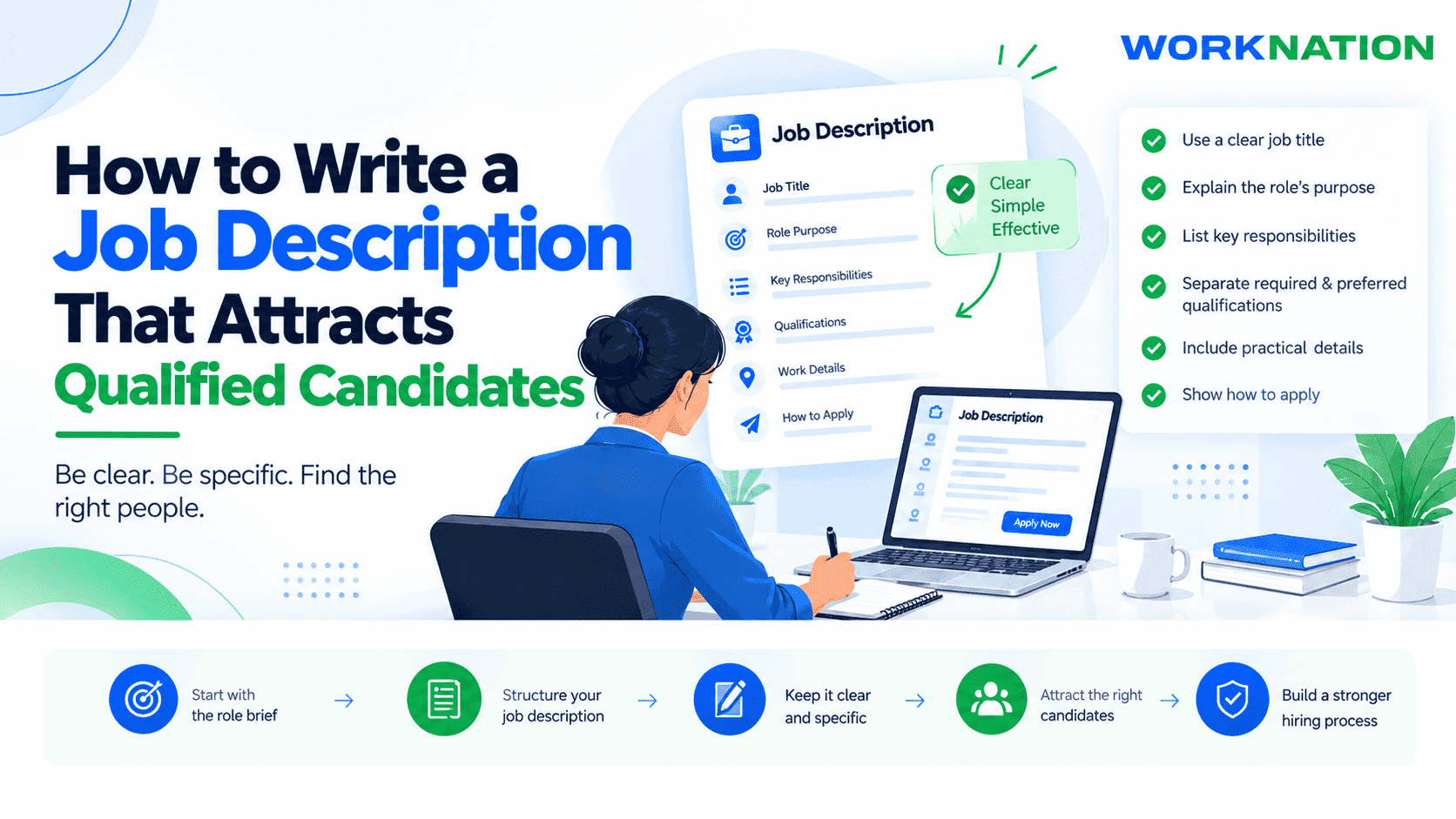
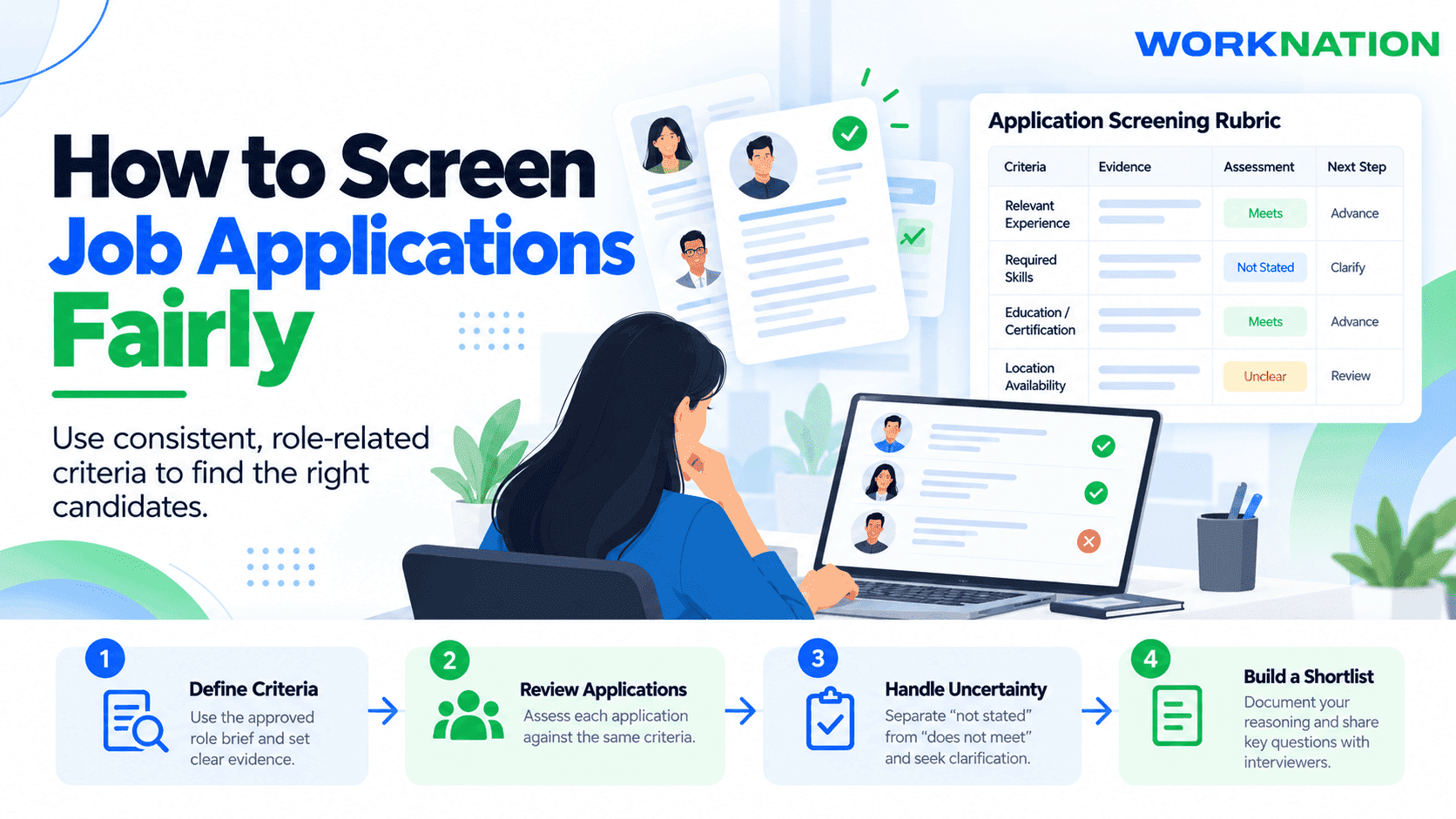
Most people get cut for one reason. They send a plain, one-size CV. Not proof. Zoo bosses and HR staff score each form. They use a strict list. Here's what's on it.
For zookeeper jobs and alligator farm jobs, they check four things:
Verifiable husbandry hours: real care. Paid or not, it counts. Weighing food. Cleaning pens. Testing water. Writing down health notes. It all counts. A zoo will do. So will a kennel, a barn or a vet clinic. So will a rehab site for hurt wild ones.
Safety and lock-check discipline: this one is life or death. Big cats can kill you. So can gators, snakes, apes and large hoofed stock. So strict habits matter. Name the ones you know. Two-door entry. Lock checks at shift change. The tools you use to hold one still. The drills you've done.
Operant conditioning and enrichment: treats, not force. Good zoos and reptile parks want staff who train that way. Say what you've done. Target training, say. Or crate training. Or getting one to hold still for a vet check.
Physical and schedule readiness: you'll lift 50 pounds, over and over. You'll be out in the heat and the rain. You'll need a driver's license. And yes, you'll work weekends, holidays and swing shifts.
Don't have all four yet? That's fine. Most new hires don't. Pick the one you're weakest in. Work on that first. Then move to the next.
For fish and wildlife jobs, screeners want proof from the field and the rule book:
Field sampling methods: real time with the tools. Backpack electrofishing. Gill nets. Bird counts. Trail cams. Radio tags. Drift fences. Weed control.
Data, GIS, and regulatory skills: you know ArcGIS or QGIS. You can log GPS points and type up field notes. And you know the main laws. The Endangered Species Act (ESA) is one. NEPA is the other big one.
Federal credit-hour rules (GS-0404 / GS-0486): know your credits. U.S. science jobs check them. So list the exact hours you took in each class group. Think biology, wildlife, fish or ecology. OPM sets the rules for each job series.
Just starting out? Don't wait for the perfect job. Take what gets you close to the work. Help at a shelter on the weekend. Sign up for a park clean-up day. Join a bird count. Each hour adds up. Log it as you go. Note the dates and the tasks. That log is just what a screen wants to see.
Regional hiring hotspots: Wildlife jobs in Tennessee, Florida, and Texas
Big zoos on the coasts get stacks of forms. Each job draws a crowd. So it pays to look past them. Some parts of the US have more open posts right now. The climb is quicker, too.
Wildlife Jobs in Tennessee (Nashville, Chattanooga, Memphis, Limestone, and Eagleville): lots of posts here. Tennessee is fifth in the US for game warden jobs. That's per the BLS. One catch. Pay for caretakers there runs below the US median. Here are 2026 posts we saw. Start with Nashville Zoo. It lists tank and hoofstock keepers. It lists LSS techs and vet techs, too. Pay is $16.10 to $25.63 an hour. Chattanooga Zoo lists primate and hoofstock keepers. Those pay $15 to $17 an hour, or more. Lucky Ladd Farms is in Eagleville. It lists Zookeeper I and II swing jobs. Those pay $35,360 to $40,560 a year. Brights Zoo in Limestone lists caretakers. They get $17 an hour, or more. Memphis Zoo lists fellows for its turtle work. That pays $50,000 a year. It has a keeper job live on WorkNation, too. There's more. Nashville needs techs to fight weeds and pests. Those pay $18.50 to $21 an hour. Franklin has staff science jobs. Those pay $55,000 to $65,000 a year. And Shelby Farms Park lists park rangers. They make $15 to $19 an hour.
Florida & Gulf Coast Alligator Farm and Wetland Hubs (St. Augustine, Orlando, Everglades, Tampa, and New Orleans): steady work. Lots of tourists come here. There's lots of wet land, too. So the hiring doesn't stop. Gator farms need handlers. Zoos need reptile keepers. Labs need water techs. State teams need field techs. Florida is third in the US for caretaker jobs. That's per the BLS. It's third for wildlife biologist jobs, too. Heat and storms are part of the deal, though. So plan for long, hot days in the sun.
Texas, Oklahoma & Midwest Municipal Zoos (Waco, Fort Worth, Houston, Tulsa, and Wichita): city perks. City-run zoos come with full benefits. They also have a clear ladder. Start at Zookeeper I. Then work your way up to head of care. Texas has the second most caretaker jobs in the US. It has the most game warden jobs of any state. And look at Waco and Tulsa. Both have keeper jobs live on WorkNation now.
So how do you pick a state? Start with where you can live. Then look at the pay. Then check the cost of rent there. A high wage in a high-rent town? It may not leave you much. A lower wage in a cheap town? It may go a long way. And don't rule out a move for your first job. A year or two of real work counts. It will open doors back home. Last tip. Look at the cost to move. Some jobs help pay for it. It's worth a quick ask.
Why wildlife and zoo resumes get rejected (and how to fix yours in 3 minutes)
State and U.S. teams want your hours on the page. Per week. Like this: "40 hrs/week, May 2025 to August 2026." They want the gear, too. Name each tool you used in the field. City zoos run resume bots, called ATS. So do most rescue sites. The bots scan for kinds of stock. They scan for ZIMS. They scan for AZA or ZAA rules. Here's a vague line: "Volunteered with animals and cleaned cages." It scores close to zero.
Why does that line fail? It says what you did, but not how much. It names no kind of stock. It gives no hours. A good line fixes all three. It reads like a log, not a wish.
Do this quick check on WorkNation before you apply. It takes three steps:
Step 1: Test your CV in WorkNation's free Resume Checker. Upload your CV and the job post in WorkNation Resume Studio. You'll get an ATS score in a few seconds. It shows which care or field words you're missing.
Step 2: Rewrite bullets with species, headcount, and protocols: swap bland duties for hard facts. Use real numbers:
Weak (Rejected): "Worked at a reptile park feeding alligators and talking to visitors."
Strong (Shortlisted): "Ran daily care, cleaning, water tests and safe feeding for 65 American alligators and 22 native reptiles; gave 3 talks a day to 80+ guests."
Weak (Rejected): "Helped wildlife biologists with summer fish surveys in Tennessee."
Strong (Shortlisted): "Worked 40 hrs/week on backpack electrofishing, gill-net sampling and oxygen tests at 18 Tennessee stream sites; logged data on 1,400+ fish in ArcGIS."
Step 3: Launch your verified Digital Resume link. Use WorkNation's Digital Resume builder to make a page you can share (worknation.buzz/yourname). List the kinds you've worked with. Add your field certs. SCUBA helps. So does a boat license. A first aid card for the wild is good. A weed spray license, too. You'll even see when a zoo boss looks at your page.
That's it. Three steps. Most people can do all of them in one sit-down. Do it once. Then tweak it for each new job.
How to reach zoo curators and wildlife managers directly with HireMail
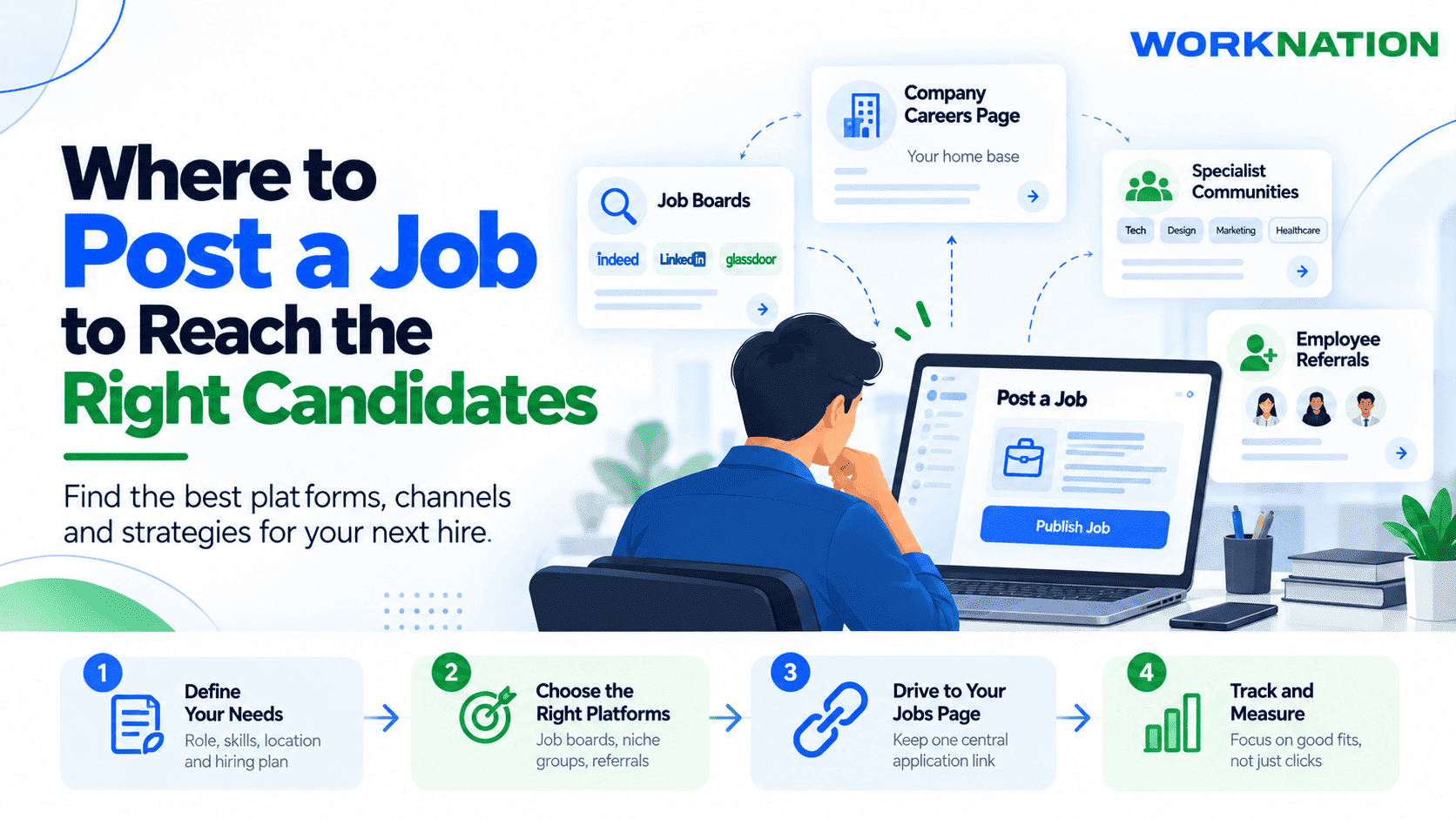
Zoo bosses and field leads are busy. Their days are spent with the stock. Or out on the land. They're not sitting at a desk in HR. Most get far more mail than they can read. So a short, clear note wins. Keep it to five lines or less. Make each line count. Here's how to get seen:
1. Find real openings on WorkNation Jobs. Look under zookeeper, park ranger, gator farm and fish and wildlife roles.
2. Check your CV in WorkNation Resume Studio. Then copy your Digital Resume link.
3. Use HireMail by WorkNation to reach the person in charge. It might be the curator of mammals. It might be the reptile lead or the field boss. Send a short email, or a 45-second video pitch:
Subject line: [Role Title] Application — [Your Name] ([X,XXX] hrs hands-on [Taxa / Field Survey] experience)
Pitch body: Name the job you applied for on WorkNation. Give your hours of care or field work. Add one result you can count. Drop in your WorkNation Digital Resume link. Now they see your work and certs. It takes one click. Then say you're fine with swing shifts. Say you can do long trips in the field, too.
Then give it a week. No reply? Send one short follow-up. Keep it to two or three lines. Thank them for their time. Say you're still keen. Add one new fact, like a cert you just got. Then let it go. Move on to the next post. Some will write back. Most won't. That's fine. You only need one yes.
Ready to land your next animal care or wildlife job? Browse live zookeeper and fish and wildlife jobs on WorkNation. Or test your resume for free in WorkNation Resume Studio.
FAQ
How do you get a zookeeper job or alligator farm job with no prior zoo experience?
Rack up hours you can prove. Vet clinics work. So do shelters and kennels. Farms, rehab sites and zoo intern spots work, too. Gator farms hire new handlers all the time. So do wild parks. They want to see two things. Can you work outside all day? And will you stick to the safety rules? A stint at a kennel shows both. So does farm work. One more thing. Ask your boss at each place for a short note. It backs up your hours. And it gives the zoo someone to call. Then stick with it. Your first job may be part-time. It may be just for the summer. That's fine. It gets your foot in the door. Many keepers got their start that way.
What is the difference between a zookeeper and a fish and wildlife technician?
A zookeeper looks after the stock in a zoo. Or a fish tank. Or a rescue site or a reptile park. Food, cleanup, toys and vet training fill the day. A fish and wildlife tech works out in the wild. The boss is a state or U.S. team. The job is to count herds. Fix up land. Sample fish. Both take care and grit. But the days feel quite different. Keepers work the same site each day. Techs move from spot to spot. Some are gone for weeks at a time. So think about the life you want. Then pick the path that fits it.
How much do fish and wildlife jobs and game wardens make in the USA in 2026?
Here's what USAJOBS showed in late October 2026. USFWS fish techs start at $40,736 a year at GS-5. Fish and wildlife biologists at GS-12 start at $89,508. The BLS median for all wildlife biologists is $76,780. Game wardens earn a median of $74,060 a year. That's $35.60 an hour. In Texas, it's $85,980. In California, it's $100,090. Pay goes up as you climb the GS scale. It goes up as you add years and skills, too. A good first job is just the start.
Sources
U.S. Bureau of Labor Statistics, OEWS: https://www.bls.gov/oes/
U.S. Office of Personnel Management, Series 0404 & 0486 Standards: https://www.opm.gov/
WorkNation Jobs & Resume Studio (read 29 October 2026): https://worknation.buzz/
USAJOBS, fish and wildlife job search (read 29 October 2026): https://www.usajobs.gov/
Have a Funding Round or Exciting Update to Share?
Submit your press release to get featured on WorkNation and reach founders, investors, and tech leaders.