Hubble Network Raises $200M Series C at $1.6B Valuation to Bring Bluetooth to Space
Top Picks
Submit PR
Stay Ahead of the Market
Get the latest startup funding, hiring trends and global opportunities delivered to your inbox every week.
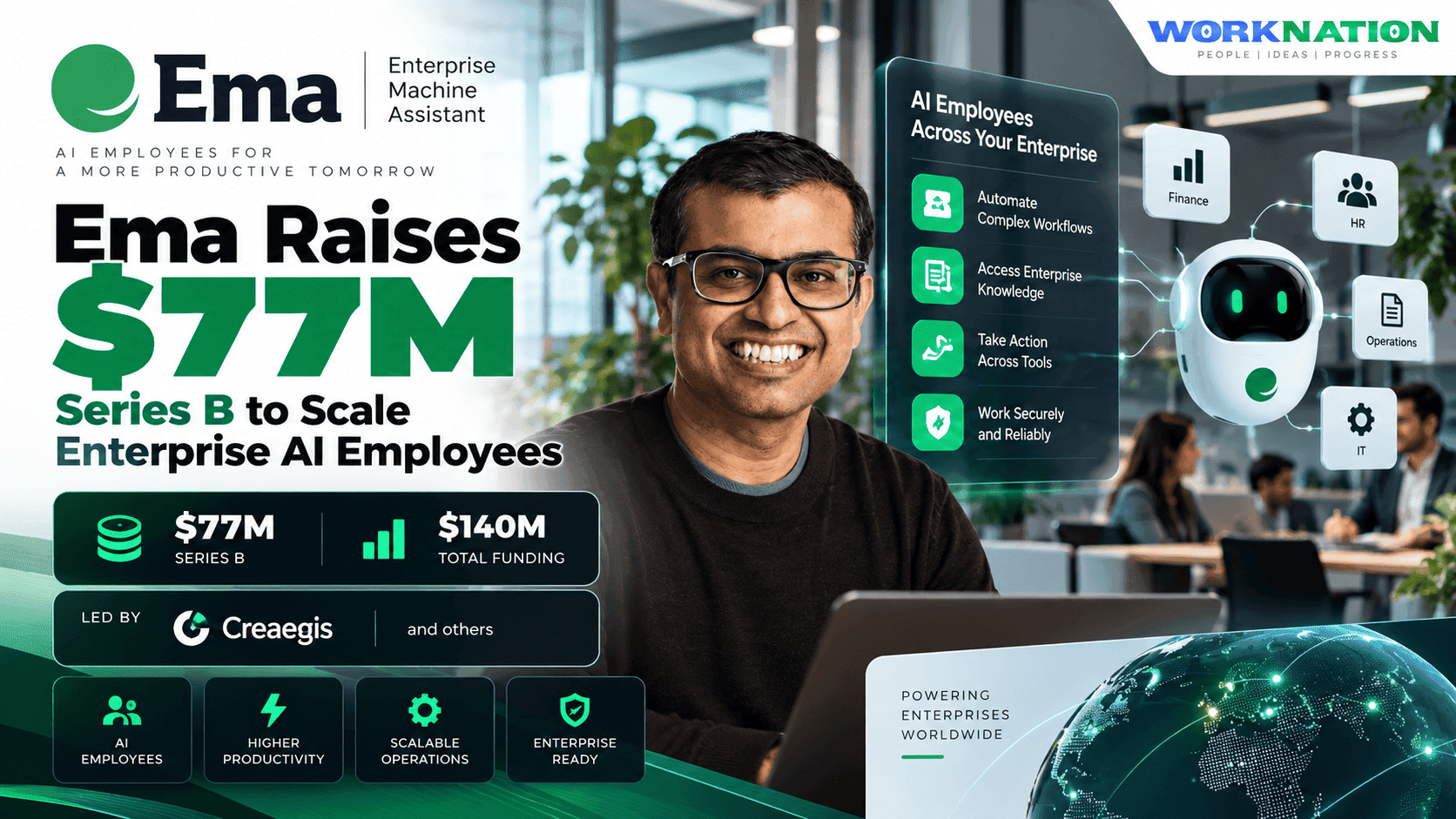
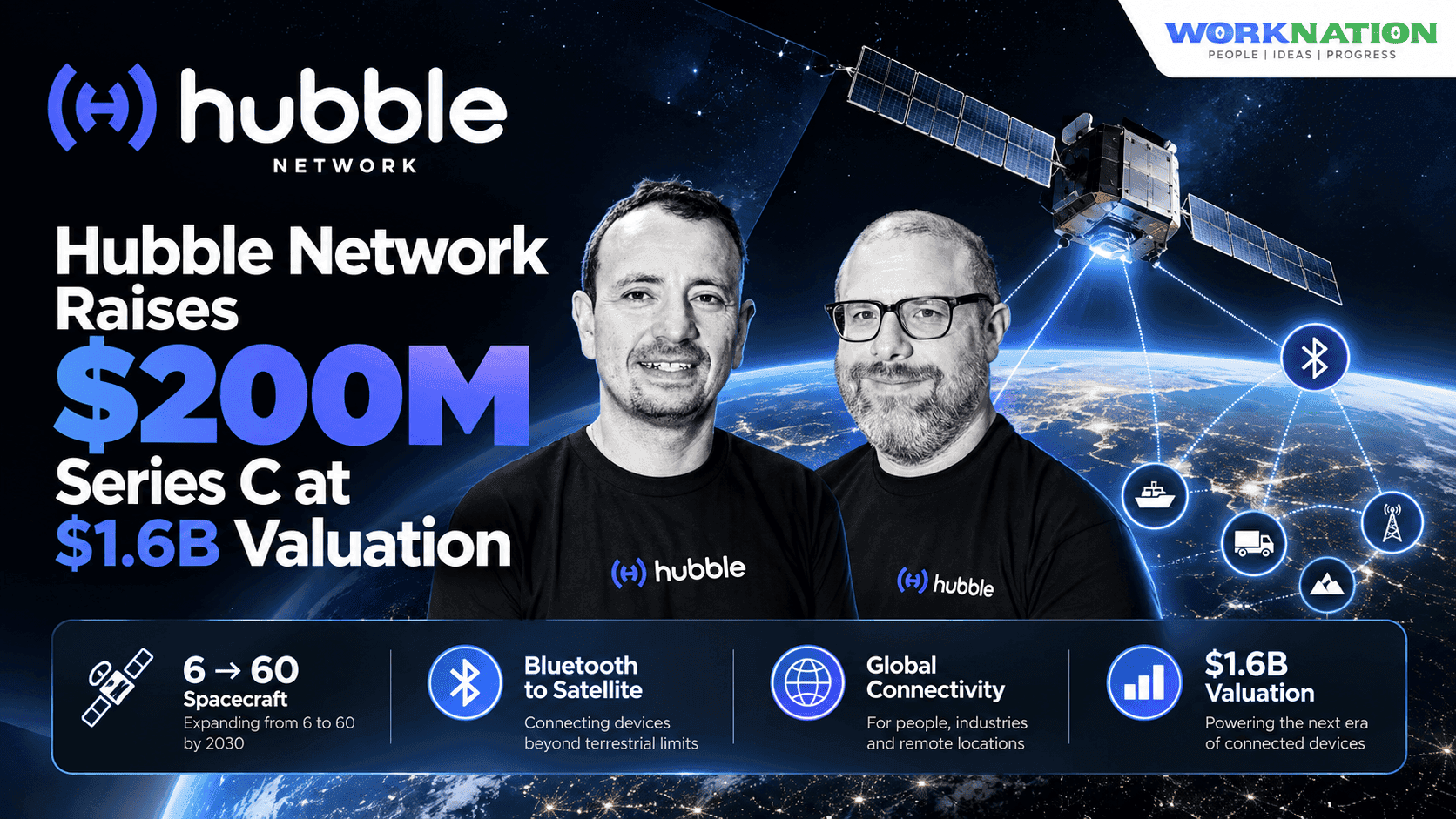
Hubble Network, a Seattle-based connectivity startup, has raised $200 million in Series C funding at a $1.6 billion valuation to expand its Bluetooth-to-satellite network and make satellite connectivity available to devices that already contain Bluetooth Low Energy technology.
The five-year-old company was founded in 2021 by Alex Haro and Ben Wild. Haro previously co-founded Life360, while Wild worked at Amazon, where he invented and led product development for Amazon Sidewalk, the company's low-power wireless mesh network.
Hubble says more than 500,000 devices are now reporting through its network, representing a tenfold increase from a year earlier. The company plans to use the latest funding to expand its satellite constellation from six spacecraft today to 60 by 2030.
Turning Bluetooth into a satellite connection
The central idea behind Hubble Network is straightforward: instead of adding a dedicated satellite modem to a device, use the Bluetooth radio that is already there.
Bluetooth Low Energy technology is already built into billions of devices, including wearables, sensors, trackers and industrial equipment.
Hubble has developed technology that allows compatible Bluetooth devices to communicate with satellites. According to the company, a firmware update can allow an existing product to transmit information such as location and sensor data from areas outside conventional cellular coverage.
That could be particularly relevant for equipment operating in remote locations.
Shipping containers, agricultural equipment, industrial assets and other connected devices can already contain Bluetooth sensors. Adding satellite connectivity traditionally requires additional hardware, which increases both the cost and complexity of the product.
Hubble says its approach can add less than 50 cents to the bill of materials, compared with at least $25 for dedicated satellite hardware in some applications.
The company estimates that its approach costs roughly a tenth of a cellular modem and a fiftieth of a satellite modem.
From a physics objection to 500,000 devices
When Hubble was founded, the company's premise challenged a common assumption that standard Bluetooth chips could not communicate directly with satellites hundreds of kilometres above Earth.
Five years later, Hubble says more than 500,000 devices are reporting through its network.
The company's terrestrial network is spread across more than 100 million gateways in 170 countries, according to the source.
Hubble's headcount has also grown substantially. The company now has more than 70 employees, compared with roughly 10 people during its early satellite-hardware testing phase.
The increase in connected devices and the company's growing workforce are part of Hubble's transition from a technology experiment into a commercial connectivity platform.
$200M Series C led by Smith Point Capital
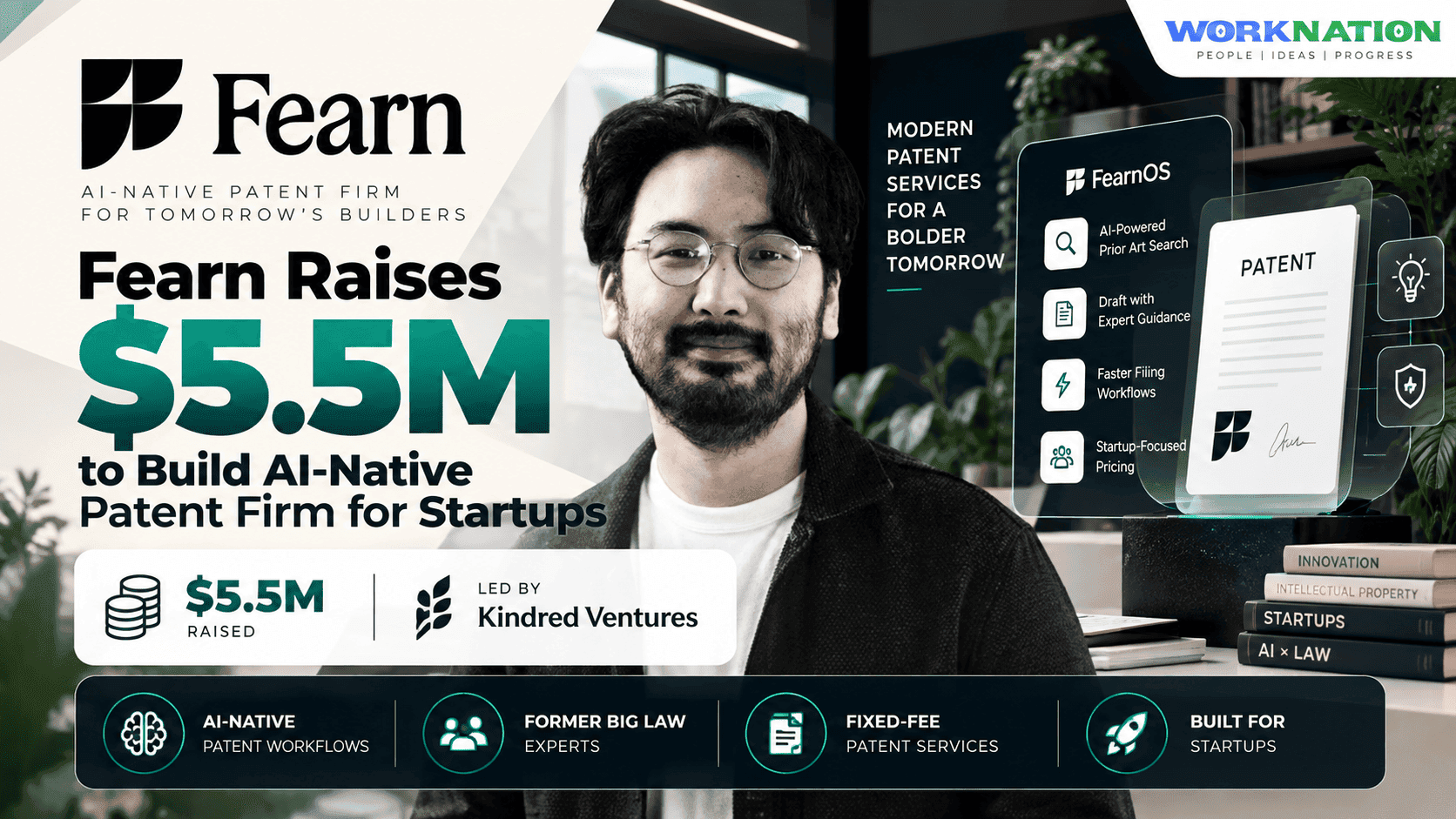
Smith Point Capital led Hubble's $200 million Series C.
Carthona Capital, Earthshot Ventures, RPM Ventures, Seraphim and Y Combinator also participated, with Pioneer Fund named as an additional backer by a Smith Point director.
The round brings Hubble's total funding to $300 million.
It also represents a significant increase from the company's previous financing. Hubble raised a $70 million Series B in September 2025, bringing its total funding to $100 million at the time.
The latest financing values the company at $1.6 billion, more than twice the valuation associated with its previous round according to the source.
The new capital will primarily support the expansion of Hubble's satellite infrastructure.
Building a 60-satellite constellation
Hubble currently has six spacecraft and plans to expand its constellation to 60 satellites by 2030.
That expansion is important because the usefulness of satellite connectivity depends not only on the technology inside the device but also on the availability and coverage of the satellite network.
A larger constellation can provide more opportunities for devices to establish connections while travelling through remote areas.
Hubble's strategy is therefore based on combining its satellite infrastructure with the enormous installed base of Bluetooth-enabled devices already operating around the world.
Rather than asking manufacturers to redesign their products around new satellite hardware, Hubble wants them to activate satellite connectivity through existing components.
Competition in satellite IoT
Hubble is entering a satellite connectivity market that already includes several different approaches.
Barcelona-based Sateliot is developing nanosatellite infrastructure designed to route IoT data through standard 5G networks. Skylo Technologies is working on direct-to-device satellite connectivity for smartphones, vehicles and industrial sensors.
Swarm Technologies, which is now owned by SpaceX, provides dedicated satellite modems for related applications.
The difference in Hubble's proposition is the device hardware.
Traditional satellite connectivity can require customers to add dedicated components. Hubble's model is based on using Bluetooth hardware that may already be present.
That could allow manufacturers to add satellite connectivity without significantly changing the physical design of their products.
Early commercial ecosystem
Hubble says more than 500,000 devices are active on its terrestrial network.
The company is also working with businesses involved in connected operations and hardware.
Samsara, a connected-operations software company, is piloting Hubble's satellite service.
Hubble has also partnered with Texas Instruments, InPlay and Reelables.
Muon Space has become the company's first customer for larger next-generation satellites.
These partnerships give Hubble opportunities to test its technology across different types of connected devices and industrial use cases.
For companies managing remote equipment, the ability to maintain connectivity without adding dedicated satellite hardware could have implications for asset tracking, logistics, agriculture and industrial monitoring.
A growing satellite IoT market
Hubble is raising capital as the broader satellite IoT market continues to develop.
The source cites Fortune Business Insights estimating the global satellite IoT market at $2.01 billion in 2025 and projecting it to reach $6.51 billion by 2034.
Direct-to-device connections are expected to represent a substantial portion of the market as satellite operators and connectivity companies work to extend communications beyond traditional cellular infrastructure.
The underlying opportunity is driven by a simple limitation: cellular networks do not cover every location where connected devices operate.
Remote farms, shipping routes, industrial sites and logistics networks can extend far beyond conventional mobile coverage.
Satellite networks can fill those gaps, but dedicated hardware can make satellite connectivity expensive or difficult to deploy at scale.
Hubble's approach is to use Bluetooth as the bridge between existing devices and satellite infrastructure.
Scaling the idea
Hubble's latest funding gives the company significant capital to expand that strategy.
The company has grown from a small team testing satellite communications to more than 70 employees and a network supporting hundreds of thousands of devices.
Its next stage involves building out the satellite infrastructure needed to support a much larger user base.
With plans to grow from six spacecraft to 60 by 2030, Hubble is moving toward a network designed to make satellite connectivity available to a much broader range of Bluetooth-enabled devices.
The company's core bet is that the cheapest way to connect billions of devices to space may not be to add another piece of hardware.
Instead, it could be to make the Bluetooth chips already inside those devices capable of reaching orbit.
Have a Funding Round or Exciting Update to Share?
Submit your press release to get featured on WorkNation and reach founders, investors, and tech leaders.